

“The investor’s chief problem – and even his worst enemy – is likely to be himself”
– Ben Graham
Ben Graham discussed the difference between amateurs (generally speculators) and professionals (or “true investors”). In the introduction of The Intelligent Investor, Graham explains the predominant process of amateurs being “generalizations and prejudices justified by past history”. Furthermore, amateurs seek “rules that relate to types of securities”.
As a result, amateurs instinctively pursue:
a. Short-term profits (due to a lack of patience)
b. Minimal volatility (due to desire of avoiding short-term pain)
c. Superior results….every month, quarter and year (due to the desire of short-term profits)
The above process is a negative feedback loop regarding the proper investment process. This collectively represents the combination of short-term thinking and poor temperament, both enemies of successful long-term investing. The following further illustrates the amateurs desire for simplicity regarding investing.
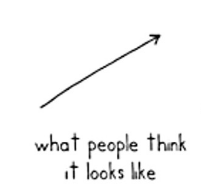
Amateur’s Expectations
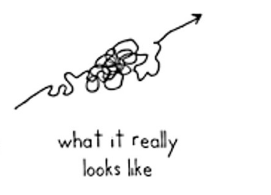
Professional Temperament
As with most things…..a good process will lead to good outcomes. In other “professional” occupations, the pursuit of quality is largely determined by adhering to the process of best practices.
Most amateurs only focus on price while ignoring the long-term value of each asset. In the short-run, any security may trade at any price, whether it’s far above or far below its intrinsic value. But the professional process needs to emphasize the quality of decision-making based on loyalty to adopted philosophy which also provide the “best practice evidence” supporting successful long-term results.
The investment philosophy are predicated on elements that prescribes the decision-making process to reduce risk and much as possible. The advantages of the Graham’s philosophy include;
1) Risk minimization by ensuring each investment opportunity survives difficult environments
2) Further risk minimization by ensuring a margin of safety (price paid less than estimated value)
3) Further risk minimization by the use of conservative analysis of value
4) Further risk minimization by understanding how to think about markets (which improves temperament and ability to think and act with long term patience, and discipline)
Regarding the assessment of returns, it should only be fully assessed over the intended holding period. For short-term bonds a 1-3 year period is adequate in assessing performance. But for stocks, a 5-10 year period is needed. There are a few short-term markers that may be used including; how do the strategies perform during negative price environments and by evaluating what risks are not protected.
The desire to manage risk versus managing returns suggests that short-term reviews should focus on risks the professional investor seeks to mitigate or eliminate versus the emphasis on short-term “wiggles” experienced due largely to inconsequential factors.